Your Concrete Isn't the Problem. The Ground Underneath Is.
When your driveway sinks, your sidewalk develops a trip hazard, or your patio starts sloping toward the house, it’s easy to blame the concrete.
But the concrete itself may still be in good condition. The real problem is often hidden underneath.
Over time, soil can settle, shrink, or wash away, leaving empty spaces called soil voids beneath your concrete slabs. Without proper support, the concrete begins to sink, tilt, or crack.
This is a common problem for homeowners throughout the Chicago suburbs, where clay-rich soil, changing moisture levels, and harsh winter weather can affect the ground beneath driveways, sidewalks, patios, and garage floors.
At Raise-Rite, we help Illinois homeowners correct these problems using polyurethane foam concrete lifting. Instead of tearing out otherwise usable concrete, we fill the empty spaces underneath and carefully raise the settled slabs.
Understanding why soil voids form can help you recognize the warning signs and prevent a small problem from turning into a costly repair.
What Is a Soil Void?
A soil void is an empty space between the bottom of a concrete slab and the ground that’s supposed to support it.
Some voids are small gaps only a fraction of an inch deep. Others grow into larger cavities beneath driveways, sidewalks, patios, and garage floors.
Concrete is strong when it has firm, even support underneath. But when part of that support disappears, the slab must carry weight across an unsupported area.
Think of a concrete slab like a bridge over an empty space.
Every time someone walks across it or a vehicle drives over it, the unsupported section experiences additional stress.
Eventually, the concrete may:
- Sink below neighboring slabs
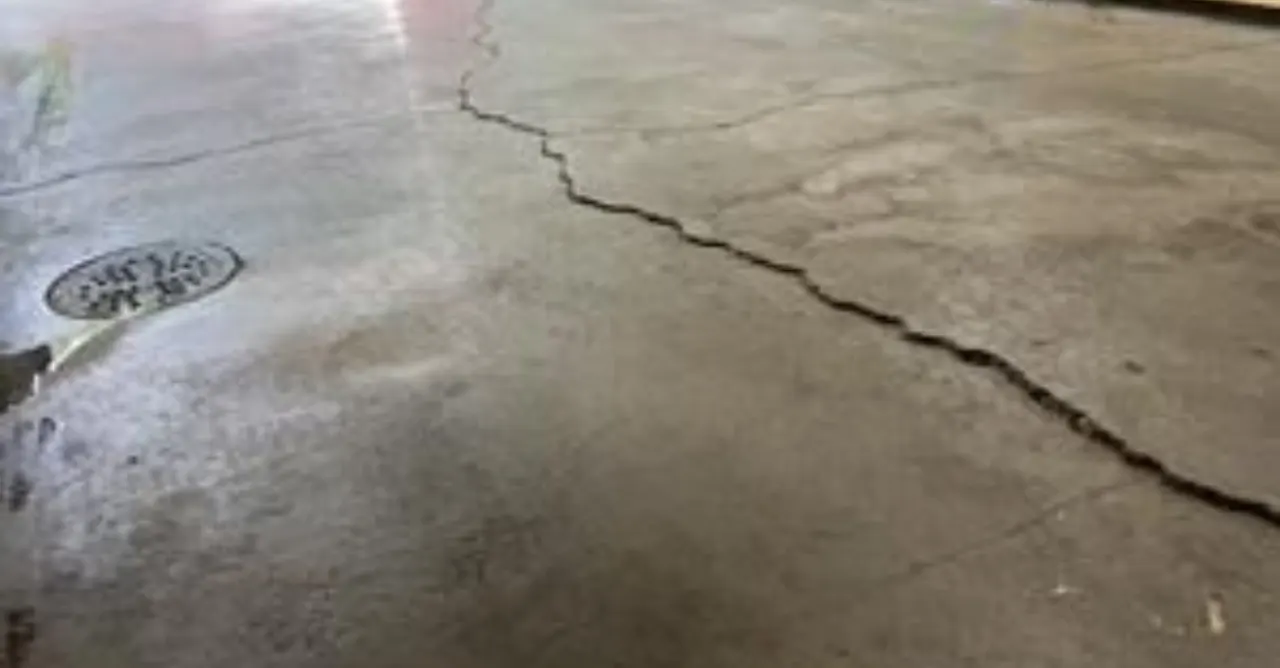
- Develop cracks
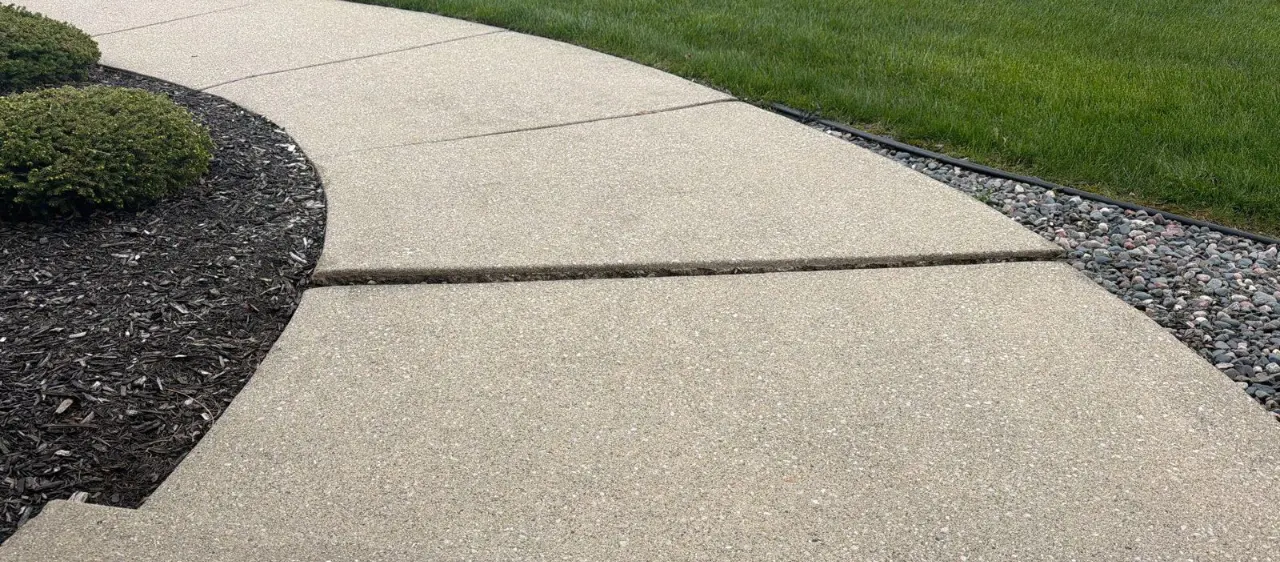
- Create dangerous trip hazards
- Tilt toward the house
- Collect standing water
- Separate from steps, foundations, or garage floors
The important thing to understand is that lifting the concrete alone isn’t enough. The missing support underneath also needs to be addressed.
That’s why Raise-Rite uses polyurethane foam to fill voids and stabilize settled concrete.
How Soil Voids Form Beneath Illinois Concrete
Soil isn’t one solid piece of material. It’s made up of mineral particles, water, air, and sometimes organic matter.
When moisture levels change or supporting material moves, empty spaces can develop beneath concrete.
Here are six common causes of soil voids in Illinois:
1. Water Erosion and Soil Washout
Water is one of the biggest causes of soil voids beneath residential concrete.
Rainwater can enter through cracks, open joints, and gaps along the edges of a slab.
Downspouts that discharge near the driveway, poor yard drainage, and leaking irrigation systems can make the problem worse.
As water travels beneath the concrete, it can carry away fine soil particles. Over time, this creates channels and empty pockets.
Eventually, the slab loses support and begins to settle.
This is especially common around residential driveways, sidewalks, patios, and garage approaches where water regularly collects.
2. Soil Consolidation
When a house is built, contractors often excavate soil around the foundation and replace it with fill material.
If that material isn’t properly compacted, small air spaces remain between the soil particles.
Over time, the weight of the concrete and normal soil movement cause the material to compress.
As the ground settles, the concrete may remain in place temporarily, leaving an empty space underneath.
Eventually, the slab can drop into that space.
This type of settlement is often seen near garage entrances, front walkways, steps, and patios built close to the house.
3. Expansive Clay Soil
Many areas around Chicago and its surrounding suburbs have clay-rich soil.
Clay reacts to changes in moisture.
When it absorbs water, it can swell. During dry periods, it shrinks.
These repeated changes can affect the support beneath concrete slabs.
A dry summer may cause the soil to pull away from the bottom of a slab. Heavy rain can then soften or move the surrounding material.
Over time, these changes can contribute to uneven concrete settlement.
Homeowners in communities such as Arlington Heights, Palatine, and Mount Prospect may notice these problems around older driveways and walkways.
4. Illinois Freeze-Thaw Cycles
Chicago-area winters bring repeated freezing and thawing that can affect the ground beneath outdoor concrete.
When moisture in the soil freezes, ice formation can cause the ground to expand and push upward against the slab.
This movement is called frost heave.
As temperatures rise and the frozen ground thaws, the soil may soften, settle, or lose some of its original support.
Repeated freeze-thaw cycles can leave concrete sections at different elevations.
That’s why homeowners often notice new sidewalk trip hazards, uneven steps, or sinking driveway sections after winter.
If your sidewalk or front walkway has become uneven, the problem may involve changes in the supporting soil rather than damage to the concrete itself.
5. Organic Material Breaking Down
Tree roots, buried wood, stumps, and other organic materials can gradually decompose beneath concrete.
As this material breaks down, it occupies less space.
The surrounding soil can then shift into the empty area, leaving the slab without consistent support.
This can happen around older patios, backyard walkways, and concrete slabs installed over previously landscaped areas.
6. Poor Base Preparation
Concrete needs a properly prepared base to remain stable.
When a slab is poured over loose soil or poorly compacted fill, settlement may begin long before visible damage appears.
As the supporting material shifts, the slab can develop low spots, uneven joints, and cracks.
Even a well-built concrete slab can sink when the ground underneath isn’t providing enough support.
Why Soil Voids Get Bigger Over Time
A small void doesn’t always cause an immediate problem.
At first, the concrete may look completely normal.
But once the slab begins moving, the problem can grow.
Here’s what often happens:
- A small void forms beneath the concrete.
- The slab begins to flex, tilt, or settle.
- Movement creates cracks and openings at the joints.
- Rainwater enters through those openings.
- Water carries away more supporting soil.
- The void grows and the concrete sinks farther.
This cycle can continue for months or years.
A small sidewalk lip can eventually become a larger trip hazard. A driveway that settles near the garage can create an uncomfortable transition. A patio that once drained properly may begin directing water toward the foundation.
Waiting until the concrete is badly damaged can also limit your repair options.
When the existing slab is still in suitable condition, polyurethane concrete lifting can often correct the settlement without replacement.
Seven Signs You May Have Soil Voids Under Your Concrete
You don’t need to see beneath your driveway or sidewalk to recognize possible soil settlement.
Watch for these warning signs.
- Uneven concrete slabs: One section of a driveway or sidewalk sits lower than the next.
- Cracks that keep growing: Cracks become wider as the supporting soil changes.
- Gaps near the foundation: Concrete begins separating from the house, garage floor, or steps.
- Hollow sounds: Tapping or walking across part of the slab produces a hollow sound that may indicate an unsupported area.
- Standing water: Low spots collect rainwater or melting snow.
- Visible soil washout: Dirt or sand appears along the slab edges after heavy rain.
- Moving or rocking concrete: A slab shifts slightly when weight is applied.
These symptoms don’t always mean a large void is present, but they are good reasons to have the concrete inspected.
Raise-Rite can evaluate the settled areas and determine whether concrete lifting and stabilization are appropriate.
How Raise-Rite Fixes Soil Voids With Polyurethane Foam
Replacing sinking concrete isn’t always the best solution.
If the existing slab is still in good condition, removing it may create unnecessary cost and disruption.
And if the underlying soil problem isn’t addressed, even newly poured concrete can settle again.
Raise-Rite uses polyurethane foam concrete lifting, also called polyjacking, to fill voids and raise settled slabs.
The process involves three simple steps.
Step 1: Drill Small Holes
Our technicians drill small, strategically placed holes through the affected concrete.
These holes provide access to the empty spaces beneath the slab without removing the existing concrete.
Step 2: Pump Polyurethane Foam
A two-part polyurethane material is injected beneath the slab.
The foam expands, filling voids and creating support underneath the concrete.
As the material expands, our technicians carefully monitor the slab and adjust the injection process to lift the concrete toward the desired elevation.
The lightweight material adds relatively little weight to the supporting soil.
Step 3: Patch and Return to Use
Once the concrete has been lifted and stabilized, the injection holes are patched.
Most residential projects can be completed within a few hours, and the repaired concrete is often ready for use the same day.
The result is a more level surface with improved support underneath.
Why Raise-Rite Uses Polyurethane Foam Instead of Traditional Mudjacking
Both polyurethane foam lifting and traditional mudjacking are designed to raise settled concrete.
However, they use different materials.
Traditional mudjacking pumps a cement-based slurry beneath the slab. The slurry fills spaces and creates pressure that lifts the concrete.
Polyurethane lifting uses an expanding foam instead.
Raise-Rite’s polyurethane method offers several benefits:
- Smaller injection holes: Less visible disruption to the existing concrete.
- Lightweight material: Adds less weight to the supporting soil than traditional cement-based slurry.
- Void filling: Expanding foam reaches spaces beneath the slab.
- Controlled lifting: Technicians can gradually adjust slab elevations.
- Fast return to use: Most repaired surfaces can be used the same day.
- Less disruption: No need to remove and replace otherwise usable slabs.
Raise-Rite also uses polyurethane foam made with 40% renewable content.
For homeowners who want to preserve their existing driveway, sidewalk, patio, or garage floor, polyurethane lifting can be a practical alternative to replacement.
Why Filling the Void Matters as Much as Lifting the Concrete
When homeowners look at a finished concrete lifting project, the first thing they notice is the improved surface.
A sidewalk trip hazard is reduced. A driveway sits closer to the garage floor. A patio no longer has the same low spot.
But the work underneath is just as important.
A slab that has lost support can continue experiencing stress, even if the surface looks better.
Polyurethane foam helps fill accessible voids beneath the concrete and restore support to the affected areas.
That support helps distribute loads more evenly and reduces movement caused by unsupported sections.
It’s important to remember that concrete lifting doesn’t stop every possible cause of future soil movement.
Water drainage, soil conditions, and ongoing erosion still matter.
That’s why protecting the repaired concrete is an important part of maintaining the results.
Frequently Asked Questions
Can soil voids fix themselves?
Not usually. Soil may shift naturally over time, but an unsupported slab generally won’t return to its original elevation on its own. If erosion or poor drainage continues, the problem can become worse.
Are soil voids dangerous?
They can be. Voids may cause uneven sidewalks, cracked driveways, unstable slabs, and changes in drainage. Larger unsupported areas can also increase the risk of concrete breaking under heavy loads.
Will replacing the concrete fix the soil void?
Not necessarily. If the supporting soil isn’t properly prepared or stabilized, new concrete can experience similar settlement. The underlying cause needs to be addressed.
How long does polyurethane concrete lifting take?
Most residential concrete lifting projects can be completed in a few hours, depending on the size and condition of the affected area. The repaired concrete is often ready for use the same day.
Is polyurethane concrete lifting better than replacing the slab?
When the existing concrete is still in suitable condition, lifting is often faster, less disruptive, and more affordable than replacement. However, severely broken or deteriorated concrete may need to be replaced.
Does Raise-Rite offer a warranty on concrete lifting?
Yes. Raise-Rite offers a 5-year warranty on qualifying residential polyurethane concrete lifting work, subject to the company’s warranty terms.
Concrete Lifting Services Across the Chicago Suburbs
Soil voids can affect many different types of residential concrete.
Raise-Rite helps homeowners lift and stabilize:
- Sinking driveways and garage approaches
- Uneven sidewalks and front walkways
- Settled concrete steps and entryways
- Backyard patios and porches
- Garage floors
- Other unsupported concrete slabs
Our team serves homeowners throughout the Chicago suburbs, including Arlington Heights, Mount Prospect, Palatine, and Elmhurst.
Whether your driveway has dropped near the garage or your front walkway has developed a trip hazard, the first step is finding out what’s happening beneath the concrete.
Get a Free Concrete Lifting Estimate From Raise-Rite
Sinking concrete is often a warning sign that the ground underneath has changed.
You may notice a driveway dropping near the garage, a sidewalk developing a trip hazard, or a patio starting to slope toward the house.
Whatever the problem, waiting can allow additional movement and damage.
Raise-Rite has been helping homeowners repair sinking concrete since 1974. Our team uses polyurethane foam to lift and stabilize settled slabs while preserving existing concrete whenever possible.
Don’t replace your concrete until you know whether it can be lifted.
Call 877-407-2473 to request a free estimate.